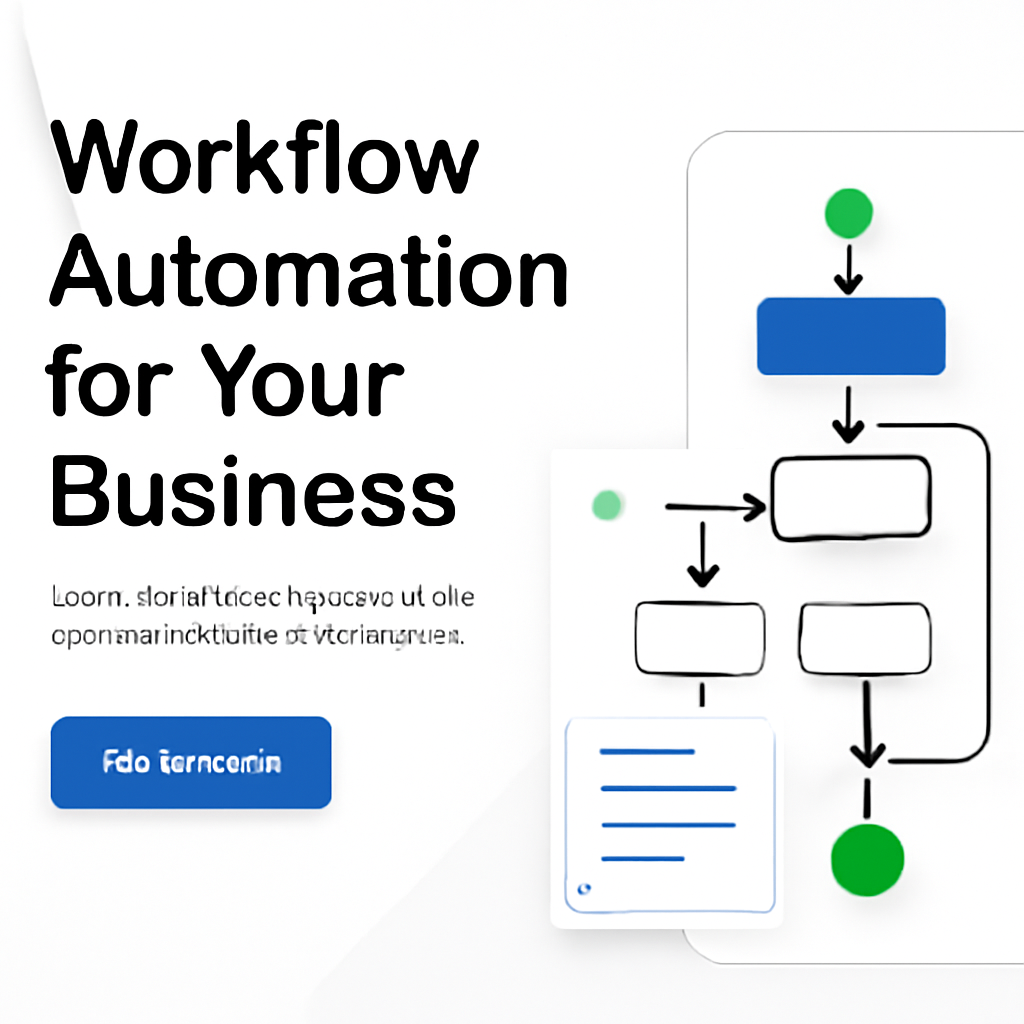
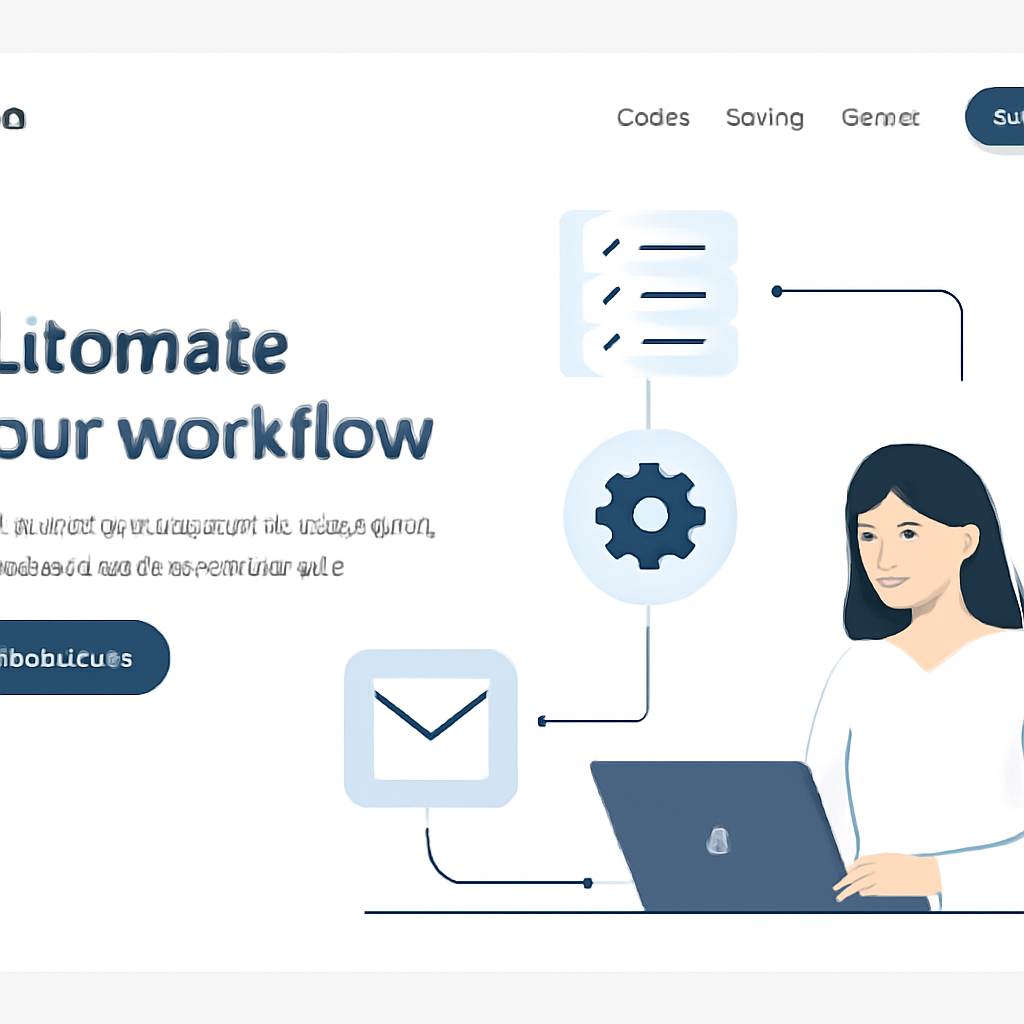
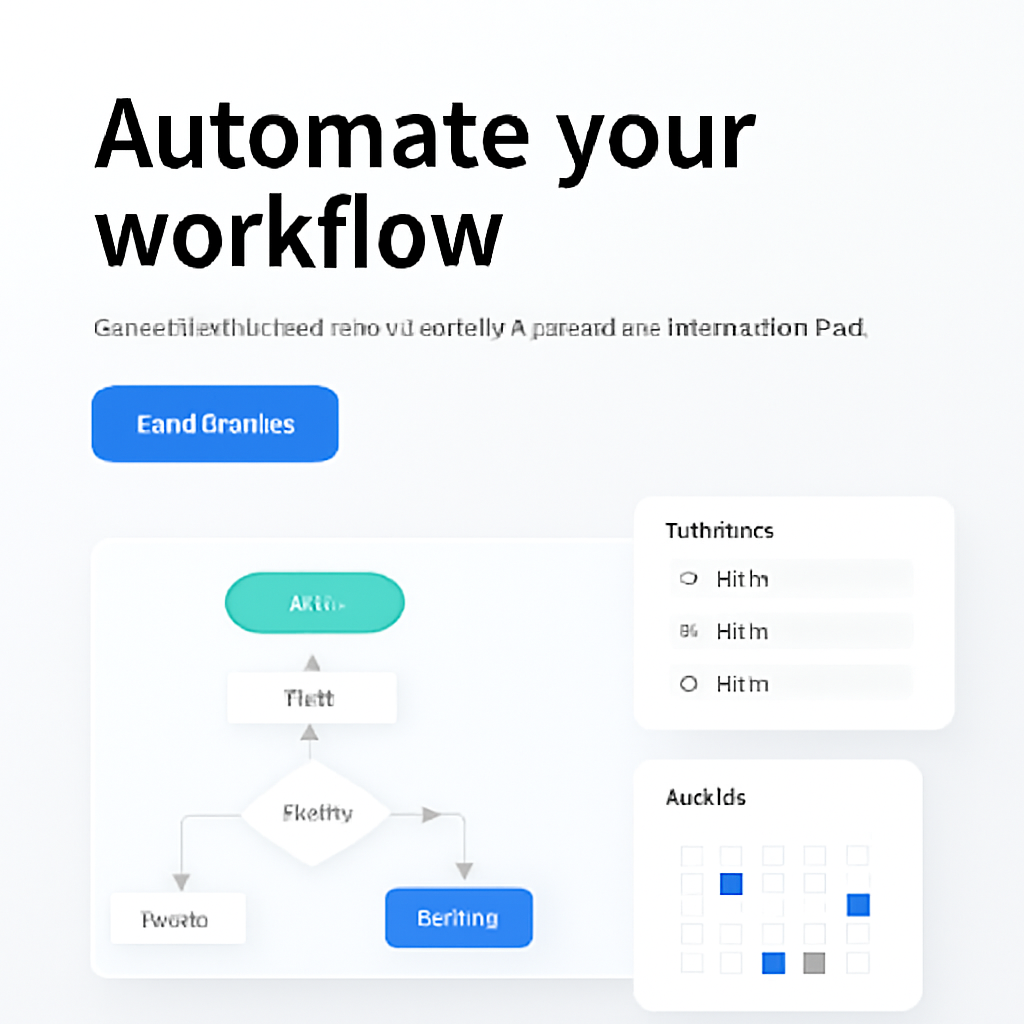
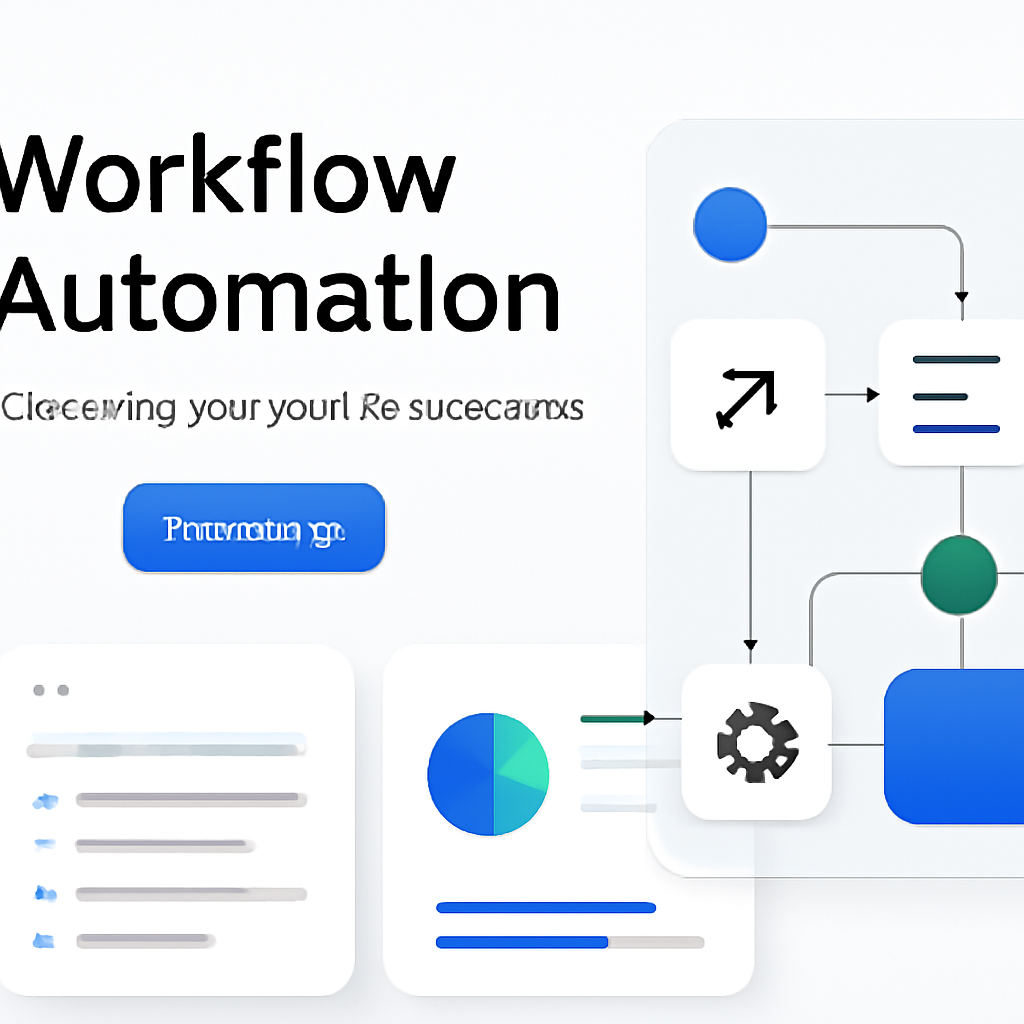
Ask common AI for a hero image. Your competitor gets the same one back. The fix is not a better prompt. It is custom workflows wrapping common AI in your data and voice.
Artificial Intelligence Solutions
Looking for a artificial intelligence partner?
We build domain-led systems tailored to your industry and workflow. 12 years. 2,100+ engagements.
Ask any common AI tool to generate a hero image for your business. ChatGPT with its image model. Midjourney. Stable Diffusion. The output looks professional, polished, modern, on-brand for a tech business. You are about to deliver it.
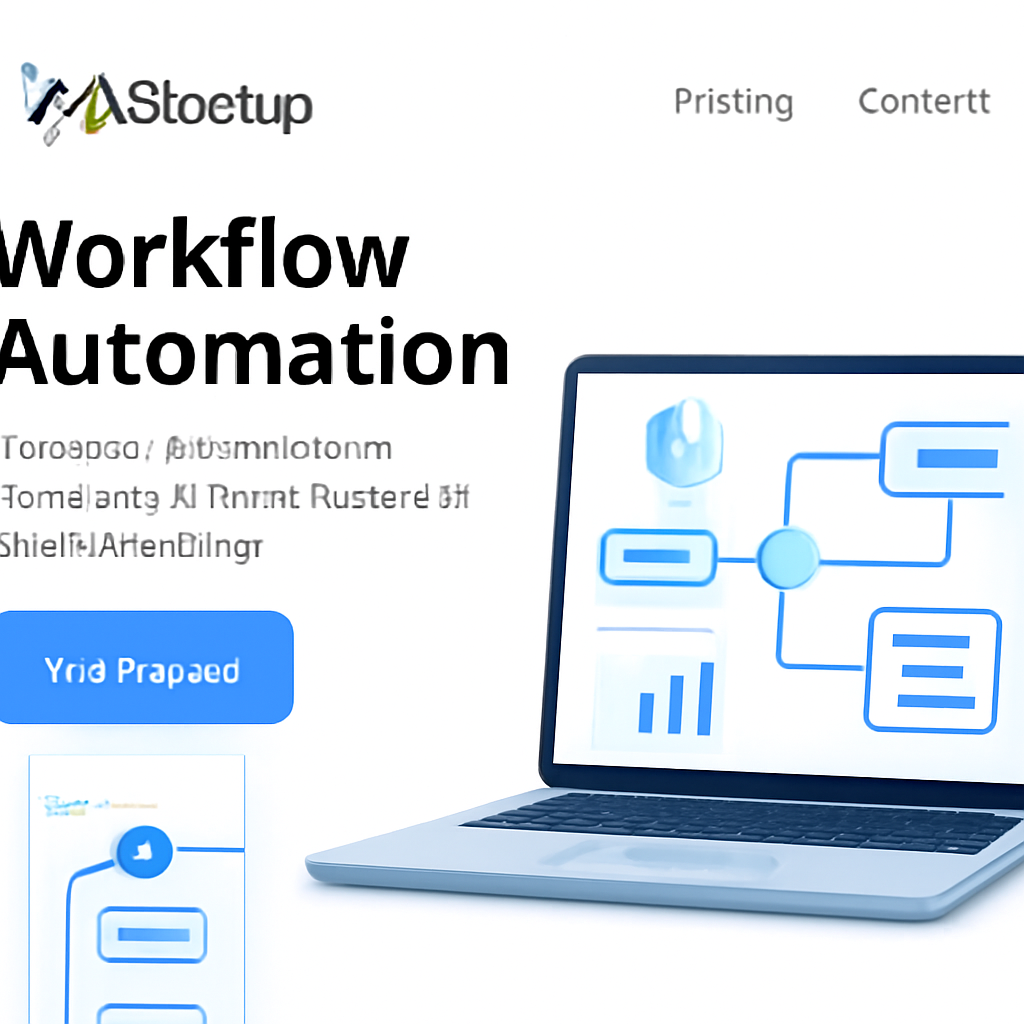
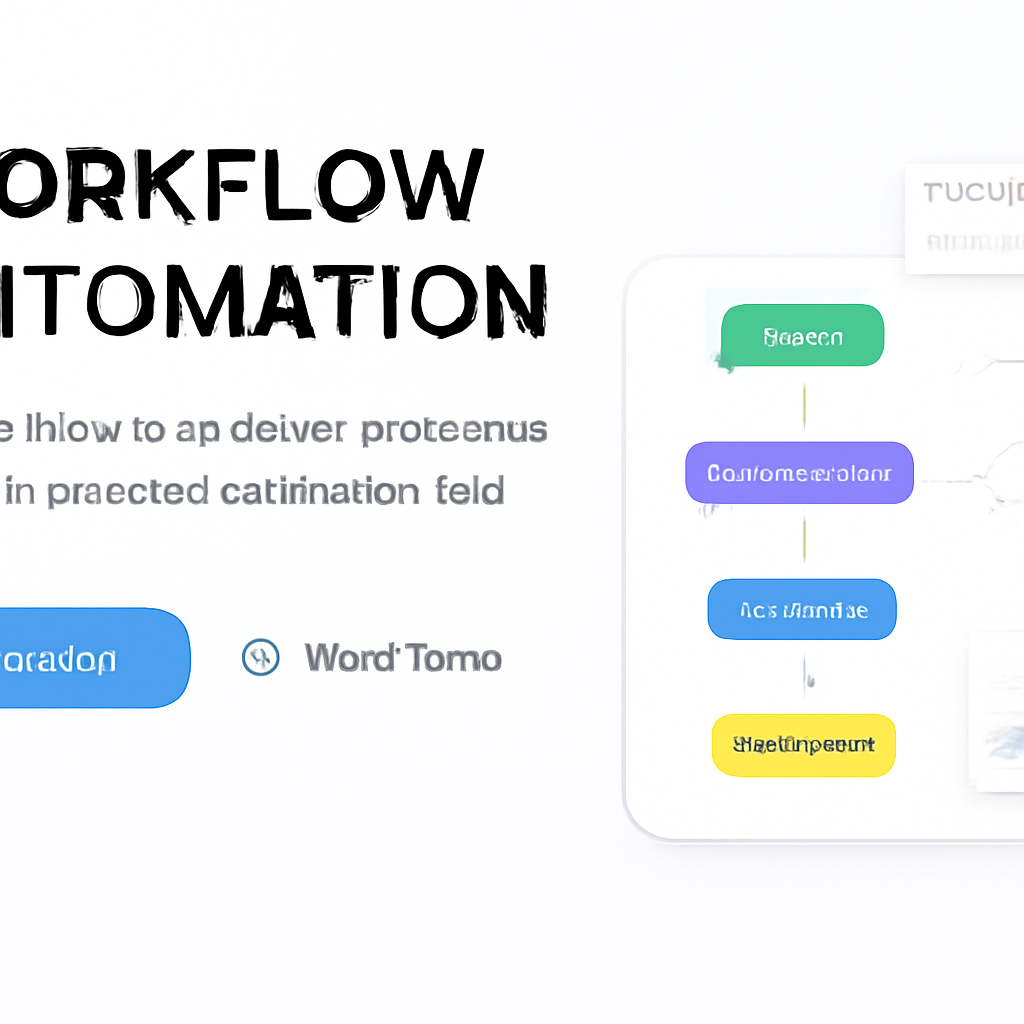
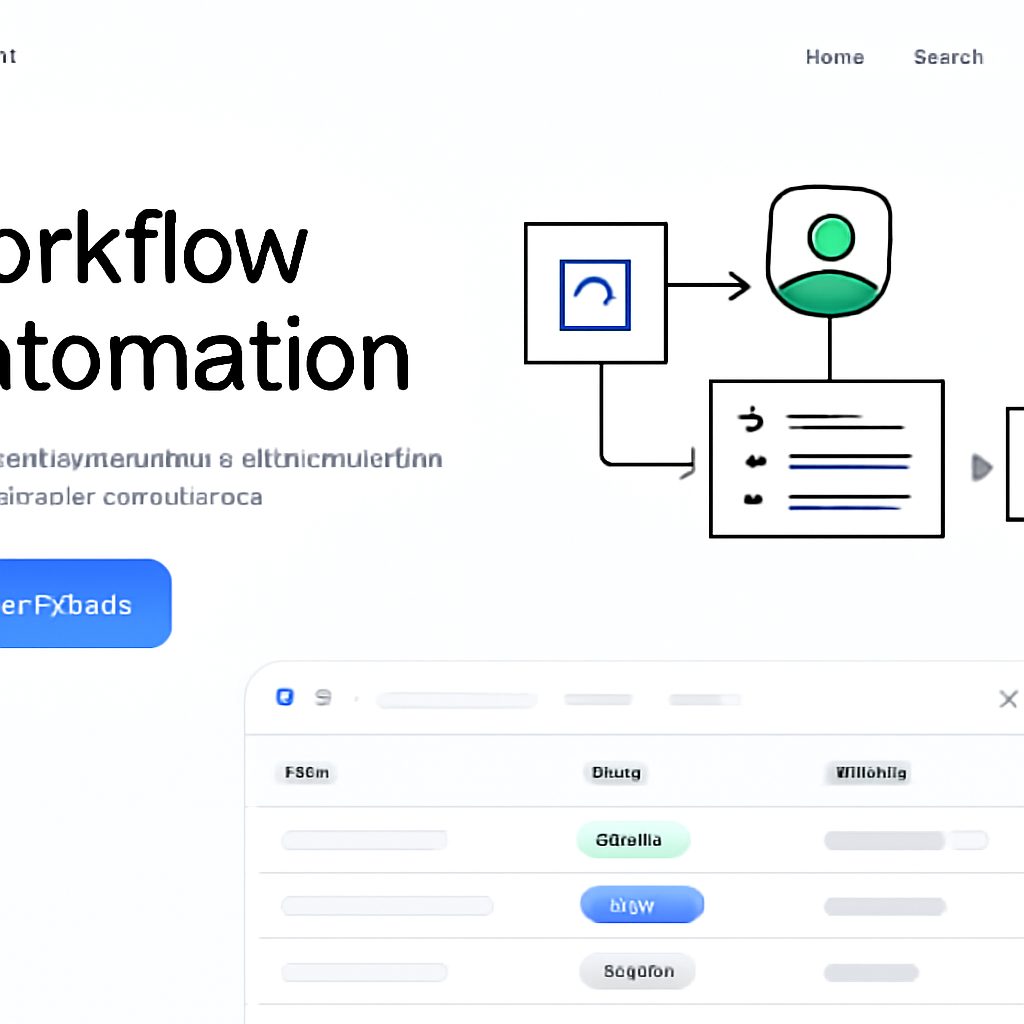
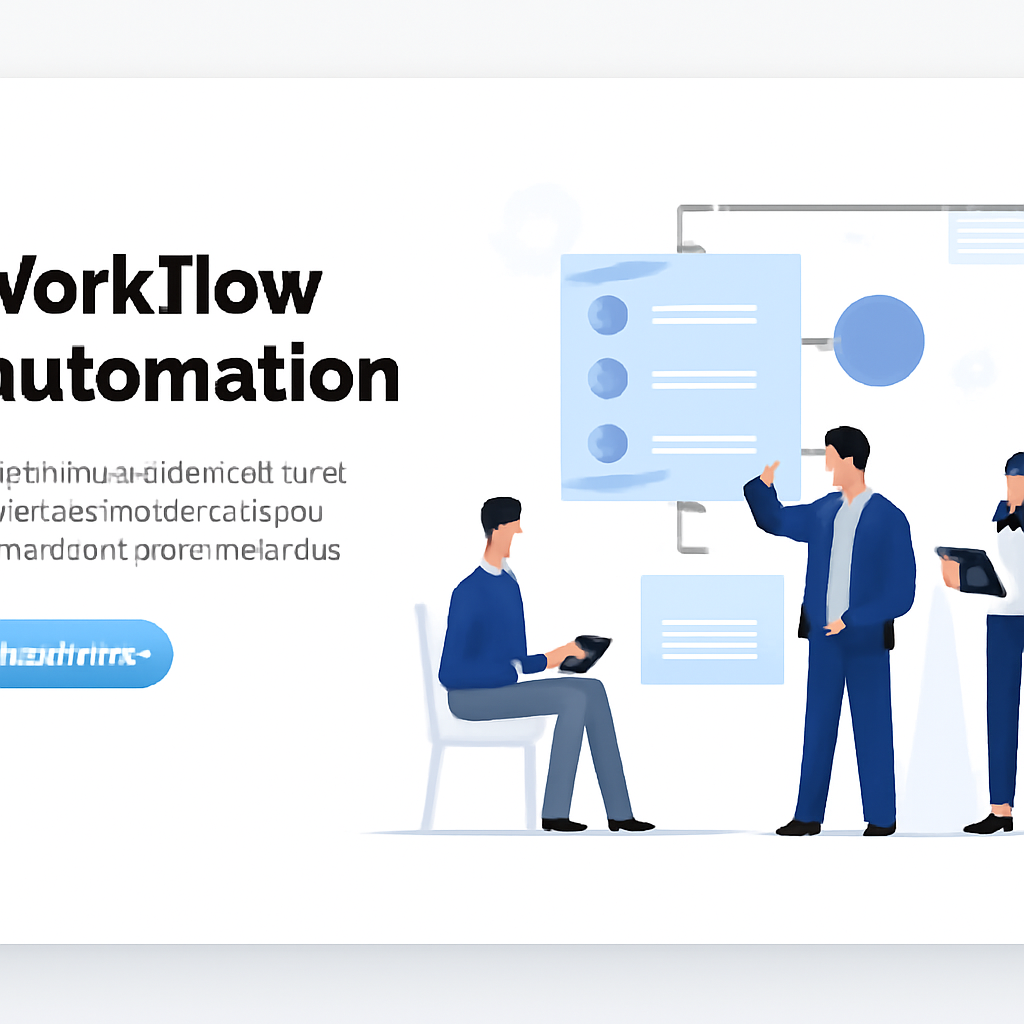
Then scroll LinkedIn for 5 minutes. You see the same image. Different brand. Same composition. Same color palette. Same illustrated professional with a laptop. Same flowchart aesthetic. Same dreamy gradient background. Same too-perfect skin on the rendered figures. Hundreds of brands posting variations of the same image. Thousands of agencies generating from the same prompts on the same models.
You did not get a unique image. You got the same image everyone else asked for, with a few pixels rearranged.
10
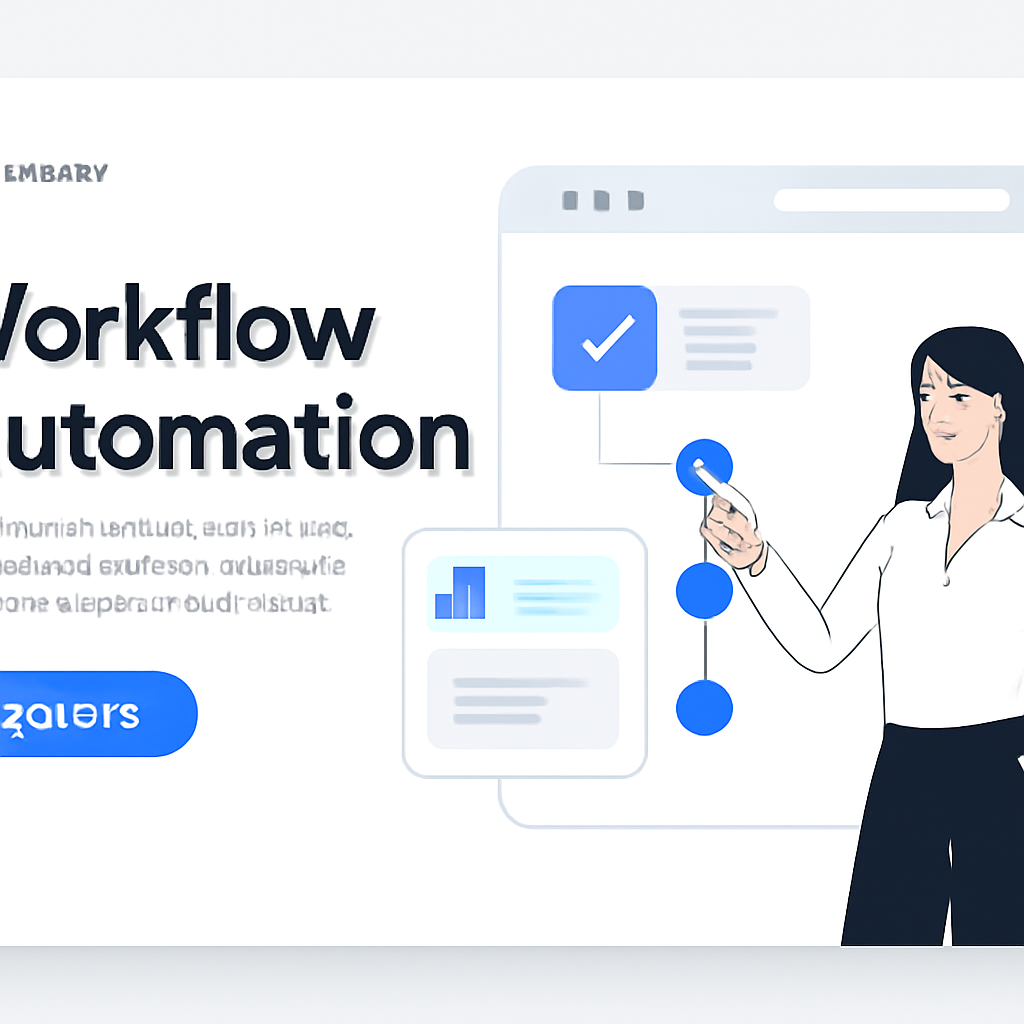
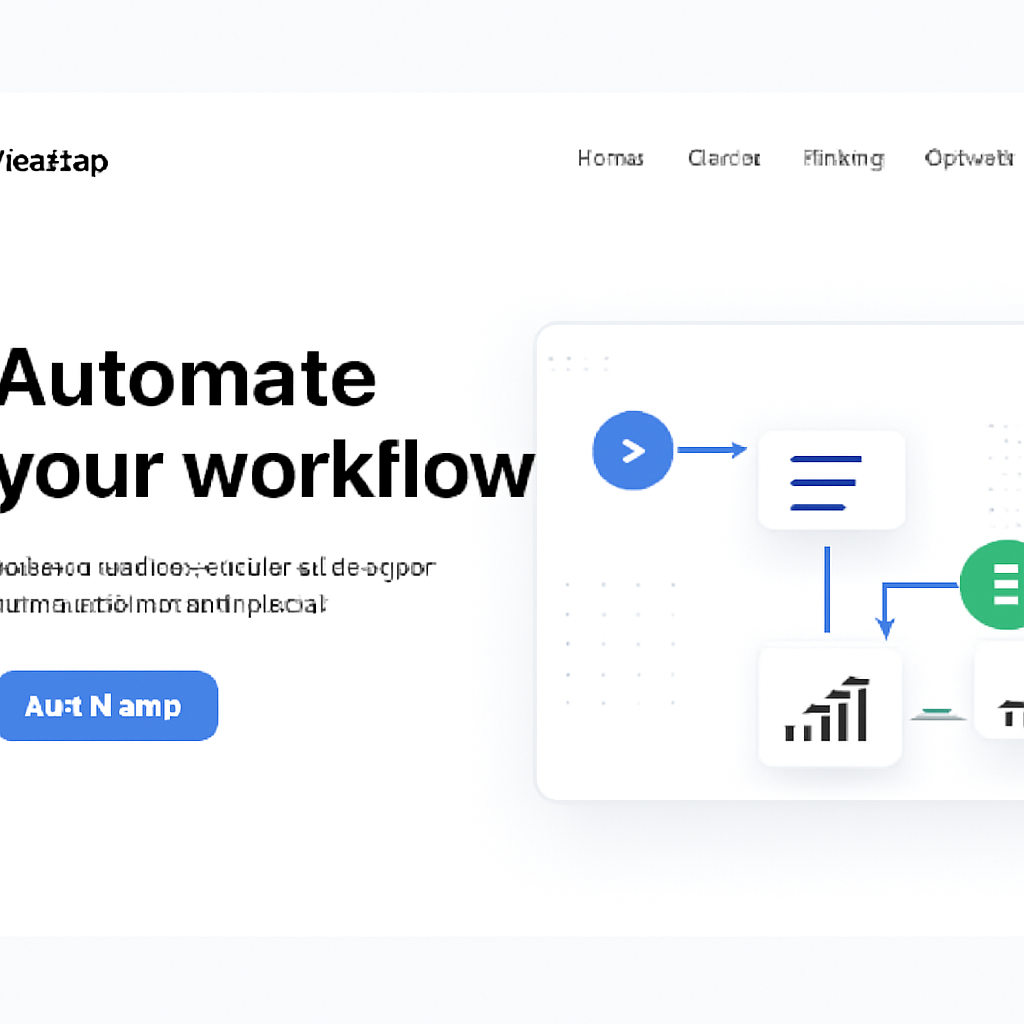
Images generated on the same prompt, same model, same hour.
$0.40
Total cost of the experiment that proved convergence.
Identical
What common AI outputs look like across businesses.
Custom
The architecture that breaks convergence and produces uniqueness.
This article is about the visible version of the AI convergence problem, why it is about to become every business's biggest AI strategy mistake, and why custom workflows are the only architecture that solves it. The proof of the convergence problem is in the 10 images below. All generated on the same prompt, on the same model, in the same hour. Look at them as siblings.
The Visual Proof
10 Images. Same Prompt. Same Model. Each One a Variation of the Same Image.
Run 1
Run 2
Run 3
Run 4
Run 5
Run 6
Run 7
Run 8
Run 9
Run 10
What You Are Looking At
10 separate calls to OpenAI's gpt-image-1 model with the exact same prompt: "A hero image for a tech startup landing page selling a workflow automation product. Professional, modern, clean." Total experiment cost: $0.40. Same color palette across all 10. Same flowchart aesthetic. Same illustrated-professional-with-laptop trope in 4 of them. Same headline patterns ("Workflow Automation," "Automate Your Workflow"). Same UI mockup composition. The runs were not cherry-picked. The grid is literally the first 10 in the order they generated. Now imagine your competitor running the same prompt and delivering their image to LinkedIn the same week you deliver yours.
The Visible Version of the AI Uniqueness Problem
The image grid is the visible version of a problem that is happening invisibly across every other kind of AI output in your business. The marketing copy your team is generating reads like everyone else's marketing copy. The product descriptions for your store sound like every store's product descriptions. The internal report templates your AI assistant generates use the same phrasing every other team's AI uses. The customer-response drafts go out polite, structurally-correct, and indistinguishable from any competitor's.
Images make the problem easy to see because the human eye is good at pattern-matching visually. The convergence problem in text is harder to spot, until you read 5 AI-drafted marketing emails from 5 different businesses in the same week and realize you cannot tell which email came from which. The same shape is at work. Same model. Same training data. Same statistical distribution being sampled by every business asking similar questions. Same outputs.
Your team's productivity gains from AI are real. Your competitive position from AI is not changing. The 2 are not the same thing, and the businesses that conflate them are about to spend another year producing more output, more efficiently, that looks just like everyone else's.
Why "How Good Is the AI?" Stopped Being the Right Question
Every leader evaluating AI tools today is asking variations of the same question. Is the output good? Is it fast? Is it cheap? Is it consistent? Every one of those has converged to "yes" across every major AI tool. The output is good enough. It is fast. It is cheap. It is consistent. The questions stopped discriminating between tools or strategies because every common-AI answer is now in the same band.
The question that does still discriminate is the one almost nobody is asking yet. Does this AI output look uniquely mine, or does it look like the output every other business with access to the same tool is getting?
The honest answer for most businesses right now is "indistinguishable." The marketing emails read like ChatGPT wrote them. The brand visuals look like the image grid above. The internal documents use the same phrasing every other team's AI is using. The work is productive. The brand is quietly becoming invisible.
Once you start asking the uniqueness question, the productivity question moves into the background. Productivity is the new baseline, and a baseline is not where you compete. Uniqueness is the only remaining variable that does not converge as common AI gets better. The longer common AI gets cheaper and more capable, the WIDER the gap becomes between businesses that produce uniquely-theirs outputs and businesses that produce common-AI outputs. The convergence problem accelerates the divergence between the 2 camps.
Convergence Is Not a Bug. It Is How Common AI Is Designed.
The temptation when you see the 10-image grid is to assume the model is broken, or that better prompts would fix it, or that the next model release will produce more unique outputs. None of those are right. Convergence is structural.
A common AI model is trained once on a single distribution of training data. For an image model, that data is billions of image-caption pairs scraped from the public web. For a text model, similar but with text. The model learns the average shape of "professional landing page hero" across millions of examples. When you ask it to produce one, it samples from the high-density part of that distribution, the part where MOST training examples lived. That high-density region is also where most other businesses' prompts will land. Your output and your competitor's output come from the same statistical neighborhood by design.
Why Convergence Is Built In
Four Reasons Common AI Will Always Produce Similar Outputs for Similar Inputs
Reason 1
One Training Set, Many Users
The model is trained once on a single corpus of public data. Every business asking it questions taps into the same learned distribution. The model literally cannot give your business a different statistical reality than it gives your competitor. Same training, same outputs to similar prompts.
Reason 2
High-Density Sampling
When the model produces output, it samples from the high-density region of its training distribution. That is where MOST examples lived, which is also where most user prompts land. The output converges to the average example of whatever was asked for. Not the unique example. The average.
Reason 3
Safety Training Tightens the Band
Modern models are post-trained heavily for safety, helpfulness, and structured outputs. That post-training compresses the variation in responses. Models become more consistent, which is good for productivity and bad for uniqueness. The same prompt now produces tighter, more similar outputs than it would have 2 years ago.
Reason 4
Better Prompts Do Not Fix It
Prompt engineering nudges outputs slightly, but every business is also prompt-engineering against the same model. Better prompts move you sideways in the same distribution, not into a new distribution. Real uniqueness requires injecting context from outside the model, which is what wrapping the model in a custom workflow does. Prompts alone cannot.
The Structural Read
None of the 4 reasons get fixed by better tools or smarter prompts. They are how common AI works. The only architectural answer is to wrap common AI in something the model does not have: your data, your voice, your rules, your judgment. Without that wrapper, the convergence is permanent.
What Unique AI Outputs Actually Look Like in Practice
The 10-image grid makes the convergence problem visible. The answer is not a better prompt or a newer model. The answer is a custom workflow that wraps common AI in your data, your voice, your rules, your judgment. The model does not change. The workflow around it does. The workflow is the uniqueness layer. Every business that escapes the convergence zone built one. Every business that did not, did not.
The hero-image example, with the wrapper
Instead of asking gpt-image-1 for a generic "hero image for a tech startup," the workflow feeds in your brand guidelines (exact hex codes, typography, photography vs illustration preference), your past hero images (so the model has YOUR visual history as context), your customer profile (who is in the image, what they are doing), and your brand voice descriptors. The model produces an image that looks unmistakably YOURS, because the wrapper gave it information no competitor's wrapper has. Same model. Different chassis. Different output.
The marketing copy example, with the wrapper
Instead of asking ChatGPT for "an email to announce our new feature," the workflow pulls your past announcement emails, your brand voice guide, the specific customer segment receiving this email, the recent interactions that segment has had with your product, and the structured email format your team always uses. The reply reads like YOU wrote it, because the wrapper gave the model the context that only you have. Reader recognizes the voice. The voice did not come from the model. It came from the wrapper.
The customer-response example, with the wrapper
Instead of asking AI to draft a generic polite reply, the workflow pulls the specific customer's account history, their past tickets, their plan tier, the actual billing record for their question, and your team's preferred resolution tone. The reply references specifics nobody else could reference, because the workflow knew specifics nobody else knew. The customer reads it and feels seen. The reply is uniquely yours because the context was uniquely yours.
3 examples, same pattern. Generic AI plus YOUR context produces uniquely-yours outputs. The work of building that wrapping is what separates the businesses that own their AI from the businesses that rent it. Common AI is the rental. The wrapper is the ownership layer.
The Three Real Approaches to Avoiding the Convergence Trap
Once you accept that the convergence problem is structural and not a tool-choice problem, there are 3 real architectures available. Each one has clear consequences for how unique your outputs actually look.
The Three Real Approaches
Generic Common AI, Prompt-Layer Wrappers, Custom Workflows: What Each One Produces
Approach 1
Generic Common AI
Your team uses ChatGPT, Claude, Gemini, gpt-image-1 directly. Whatever the model returns is what you deliver. Output looks like the 10-image grid above. Productivity gains are real. Visible differentiation is zero. Fine for commodity work. A strategic liability if your branded and strategic work also live here, because that work is what your customer remembers and what your competitor copies in an afternoon.
Approach 2
Prompt-Layer Wrappers
Your team builds prompt templates, internal libraries, light automations on top of common AI. Output moves slightly more on-brand. Differentiation moves from zero to small. Buys you weeks of advantage before competitors copy the same wrappers from public blog posts. Acceptable for parts of the branded work. Will not move the needle on strategic work, because shallow wrappers cannot encode the depth of context strategic outputs require.
Approach 3
Custom Workflows
Workflows wrap common AI in your data, your voice, your rules, your judgment. Output is uniquely yours. Differentiation is durable because competitors cannot copy it without rebuilding your data layer and your decision logic from scratch. Required for strategic work, strongly recommended for branded work. This is the architecture every credible production AI system uses inside the businesses that win the next 5 years.
The Honest Read
Most businesses cycle through Approach 1 to Approach 2 over 12 to 18 months. Few make it to Approach 3 without an experienced partner. The teams that get there first save themselves a year of differentiation lost while their competitors are still in Approach 2 with their library of prompt templates that produce slightly less generic versions of the same outputs.
Where Convergence Is Fine and Where It Is Killing You
The mistake the productivity-led businesses are about to make is the opposite mistake. They will read the convergence argument, panic, and try to make EVERY AI-touched task uniquely theirs. That is a different kind of waste. Some work genuinely should stay commodity, and trying to differentiate it is a tax with no payoff.
The framework that fits the market is a 3-bucket triage of your AI workload. Common AI's convergence is fine in one bucket, expensive in another, and a strategic disaster in the third.
Commodity Work (~60%): Convergence Is Fine, Even Helpful
Routine internal emails. Meeting summaries. Translation. Boilerplate code. Status updates. These are tasks where the output is structurally similar across businesses, where the reader does not care about your specific brand voice, and where a generic AI output is genuinely fine. Convergence here is a feature: everyone has a clean, consistent baseline. Run this work through common AI directly. Move on. Investing in custom workflows here is a cost with no payoff.
Branded Work (~30%): Convergence Is Quietly Expensive
Marketing copy that goes to prospects. Customer-facing emails. Sales proposals. Social posts under your brand handle. Hero images, product visuals, brand assets. Anything your customer or prospect reads or sees under your name. Generic AI output here actively hurts the brand because it looks exactly like the image grid: every other business asking the same model gets the same output. The customer cannot tell where you end and your competitor begins. The cost is not paid in dollars. It is paid in customer recognition that erodes month after month.
Strategic Work (~10%): Convergence Is a Strategic Disaster
Product decisions informed by AI analysis. Customer-facing features powered by AI judgment. Internal IP being generated by AI plus your proprietary data. Pricing recommendations. Risk scoring. Personalization at the level of the individual customer. Output that IS the business or a core differentiating feature. Convergence here means your AI-driven product looks exactly like your competitor's AI-driven product. Same model, same training data, same outputs. The strategic advantage AI was supposed to create disappears the moment everyone produces the same answer. Custom workflows are not optional here. They are the entire moat.
The Honest Take
The 10-image grid is striking because images are visual. The same convergence is happening across your branded and strategic AI work, you just cannot see it as easily. The question your team has to answer is "which of our AI use cases would look like the grid if we ran them 10 times?" Whatever shows up on that list is also showing up to your customers, your prospects, your competitors. The triage is the first move. The workflows are the build.
5 Steps to Move Your Business Out of the Convergence Zone
The shift from convergence-by-default to uniqueness-by-design is not a moonshot. It is a sequence of small, observable moves that compound over a quarter. Here is the practical playbook.
Run the 10-Run Test on the Prompts Your Team Already Uses
Take the 5 to 10 prompts your team uses most often (the marketing-email starter, the product-description template, the hero-image request, the customer-response draft). Run each one through your common AI tool 10 times. Look at the outputs side by side. Where the outputs look like siblings, you have already lost the uniqueness battle in that use case. That is the work that needs the custom-workflow layer next.
Categorize Each Use Case as Commodity, Branded, or Strategic
For each AI use case in the audit, ask one question. Would a customer, prospect, competitor, or regulator notice the difference between a generic AI output here and a uniquely-yours output? No, nobody would notice means commodity, leave it in common AI. Yes, someone visible would notice but it is not central to the business means branded. Yes, and the output IS the business or a core differentiating feature means strategic. The 60 / 30 / 10 split usually emerges.
Pick the Highest-Visibility Branded or Strategic Task First
Visibility times frequency. Which use case from the branded or strategic buckets is your customer or prospect seeing most often, and where would uniquely-yours output measurably change the experience? Customer-facing marketing copy that runs 500 times a month. Brand visuals launched weekly. Product recommendations shaping every shopper's session. Pick one. The most visible task with the highest run-rate produces the strongest signal of differentiation when it lands.
Build the Uniqueness Layer Around That Task With the Right Partner
The workflow wraps common AI in your data, your voice, your rules. Inputs are pulled from your real systems at the moment of the AI call: CRM, content library, brand assets, customer history. The model call is bounded with structured output. Post-processing applies your business logic. The output lands in the system the team already uses. The right partner has delivered this pattern before and avoids the failure modes that stall internal builds. The first workflow delivers in weeks.
Re-Run the 10-Run Test and Measure the Difference
After the workflow delivers, run the same 10-prompt test on the new system. Are the outputs uniquely yours now, or do they still look like 10 variations of the same image? The simplest verification is the side-by-side. Show a customer or prospect a workflow output next to a generic AI output for the same task. If they can tell the difference and prefer the workflow version, you have differentiated. If they cannot, the workflow needs more of your context fed into it.
Re-run the triage after the first workflow is live. The pattern compounds. Each branded or strategic task added to the workflow layer pulls more of the business out of the convergence zone. The shift from a productivity-only AI strategy to a uniqueness-first one happens one workflow at a time, not in a single big bang.
The Three Stages
From Convergence to Uniqueness: As Little as a Quarter, Depending on Scope
STAGE
1
Audit & Test
Run the 10-run test on your top prompts. Triage commodity / branded / strategic.
STAGE
2
Build the Wrapper
Pick the highest-visibility branded task. Wrap common AI in your context.
STAGE
3
Measure & Roll
Re-run the 10-run test. Roll the pattern to the next task.
The Real Timing
Simple scope delivers in weeks. Larger scope still delivers in months, not quarters. Discovery is usually a single conversation.
Frequently Asked Questions
Will better prompts fix the convergence problem on their own?
No. Better prompts nudge outputs sideways within the same statistical distribution, but every business using the model is also prompt-engineering. The high-density region the model samples from is the same for everyone. Real uniqueness requires injecting information from outside the model: your data, your past work, your customer-specific context. Prompts cannot carry enough of that context to move outputs into a uniquely-yours region. Custom workflows can.
Will the next generation of AI models fix this by itself?
Probably the opposite. Newer models are post-trained more heavily for safety, consistency, and helpfulness, which compresses output variation. Models become MORE consistent across users, not less. The convergence problem gets worse with newer models, not better. The architectural answer is the same regardless of model generation: wrap common AI in your context. The wrapper is what produces uniqueness. The model is the engine. The engine does not differentiate the cars on the road.
How do we know which of our AI use cases are actually converging?
Run the 10-run test. Take a prompt your team uses regularly, run it through your common AI tool 10 times in a row, and lay the outputs side by side. Where the 10 outputs look like siblings, you have convergence. Where the 10 outputs look meaningfully different from each other, you have variation. The image-generation use case is almost always convergent. Marketing copy, product descriptions, customer responses, and internal templates usually are too. The test takes an hour and costs cents. The result tells you exactly where the workflow layer is most needed.
Can we just train our own model instead of building workflows?
For almost every business, no. Training a custom model is a 7-figure investment with a multi-month timeline and a real engineering team to maintain it. Custom workflows on top of common AI deliver almost all the uniqueness benefit at 1% of the cost, in weeks instead of quarters. The workflow approach is also more adaptable: when the underlying model improves (and they keep improving), the workflow benefits without a re-training cycle. Custom models make sense for a handful of frontier-research businesses and almost no operational ones.
Our team is small. Can we afford to build custom workflows for the branded and strategic buckets?
If your business is past the very-early stage and has product-market fit, yes. The first workflow delivers in weeks and the investment is small compared to a year of producing convergent outputs that look like every competitor. Smaller businesses often benefit more from the uniqueness layer than larger ones, because differentiation is what gets a small business noticed against larger competitors who have not yet figured out the same shift. The cost of waiting another year of generic AI output is higher than the cost of starting the first workflow this quarter.
How do we measure whether a workflow actually produced uniqueness?
The cleanest test is the side-by-side comparison. Run a workflow output and a generic common-AI output for the same task. Show both to a customer, a prospect, or someone outside your team. Can they tell which one came from your business specifically? If yes, the workflow has differentiated. If no, the wrapper is missing context that would make the output uniquely yours. The honest version of this test is uncomfortable for the first run because it usually shows the gap is smaller than the team expected. Iteration closes the gap quickly once the test surfaces it.
Can Entexis build the uniqueness layer for us?
Yes. Entexis builds custom AI workflows that wrap common models in your data, your voice, your rules, and your judgment. We start with the 10-run test on your real AI use cases to surface where convergence is most expensive in your business, triage commodity from branded from strategic, pick the highest-visibility task to deliver first, and build the workflow around it. When a build is not the right next step yet, we consult honestly on which task to start with. The objective is AI work that produces uniquely-yours outputs, not faster generic ones.
If you want the broader strategic argument for why AI productivity is converging across the market and why uniqueness is becoming the only axis that matters, the companion piece is here: Why Common AI Made Productivity Cheap and Uniqueness Priceless.
The 10-image grid at the top of this article cost $0.40 and took 15 minutes. It is the visible version of a problem that is also happening invisibly across every other kind of AI output in your business. The fix is not better prompts, and it is not waiting for the next model release. The fix is the wrapper. Pick the highest-visibility branded task on your list. Wrap common AI in your context. Run the 10-run test again. The outputs that used to look like the grid above will start looking unmistakably yours, and the customers and prospects who see your work will start being able to tell where your business ends and your competitors begin.
Tired of Looking Just Like Every Other Business Using ChatGPT?
At Entexis, you get the AI implementation partner that builds the uniqueness layer between your business and common AI. We do not sell access to ChatGPT or any common model. Anyone can buy that. We build custom workflows that wrap those models in your data, your voice, your rules, your judgment, so your outputs are uniquely yours and competitors cannot copy them in an afternoon. When a build is not the right next step yet, we consult honestly on which task to start with. If your AI outputs are starting to look like everyone else's and you are wondering how to get back to differentiation, let us run you through a no-pressure discovery session. Start the conversation with Entexis.
Ready to Add AI to Your Business?
From intelligent chatbots to workflow automation, we build AI solutions that understand your domain, your data, and your users. Tell us what you need.
We'll get back within one business day.
Thank You!
We've received your message and will get back to you within one business day.
Try the AI workflows we build, for real, right now.
Same workflow patterns Entexis rolls into client setups. Try them in your browser, no signup. If one feels like it'd help your team, we build a private version tuned to your data.